
Welcome back Readers,
The Soft Life Era is a contemporary movement that has gained popularity in recent years. It represents a paradigm shift away from the glorification of hustle culture and the pressure to constantly strive for more. Instead, it advocates for embracing a lifestyle focused on tranquillity, self-care, and personal well-being. Those who embrace this ethos seek to minimize stress and prioritize their mental and emotional health, rejecting the societal expectations of always pushing for more and instead valuing balance and contentment. This movement encourages individuals to step away from the relentless pursuit of success and productivity, and instead to embrace a more relaxed and mindful way of living. By shedding the pressures of the hustle culture and boss babe paradigm, individuals can create space for peace and fulfilment in their lives, ultimately striving for a more harmonious existence.
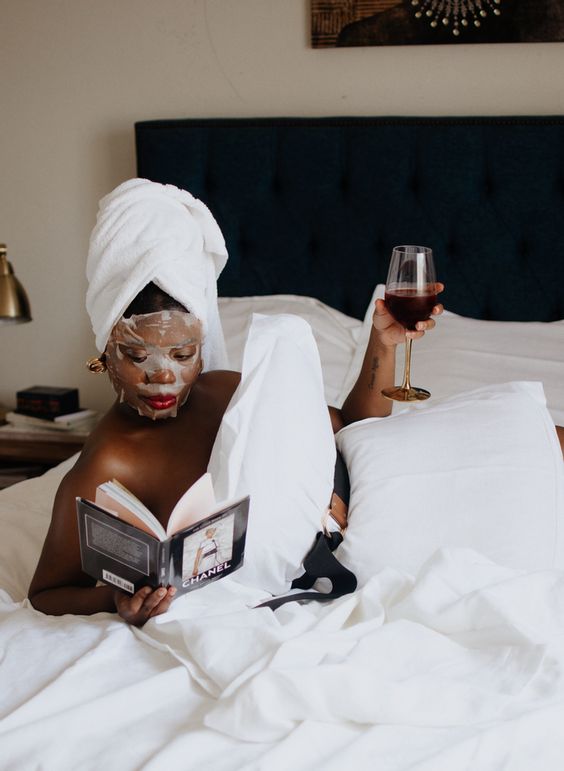
The “soft girl” era has undeniably sparked its fair share of controversy over the years. Many have observed that those who were able to fully embrace this lifestyle were often already financially secure, or had actively embraced the “hustle culture” to create a life that enabled them to sustain the aesthetic. Additionally, some were supported by partners who not only could afford the “soft girl” lifestyle, but also could sustain it over time.
Conversely, for the majority of women from low-income backgrounds or those who were not earning enough, fully indulging in this lifestyle was a challenging feat. The everyday realities of paying bills, providing for their families, and potentially supporting children made it unfeasible for them to fully partake in the “soft girl” lifestyle. This accentuated the socioeconomic disparities within the trend, leading to discussions about its inclusivity and accessibility to women from various financial backgrounds.
Moreover, the intersectionality of this issue brings to light the complex influences of gender, race, and class. Women from marginalized racial or ethnic groups may face compounded challenges when attempting to engage in trends like the “soft girl” aesthetic. The societal expectations and economic barriers they encounter can significantly limit their ability to embrace such trends fully.
I agree with both hustle culture/being a boss babe and living a soft life. If both are done to a realistic extent, it can be achievable.
If you’re a woman aiming for career advancement or financial improvement, fully committing to a laid-back lifestyle is unrealistic. However, integrating some routines and rituals into your daily or weekly life is advisable. It’s important to take care of yourself even when you’re focused on your hustle.
Final thoughts-
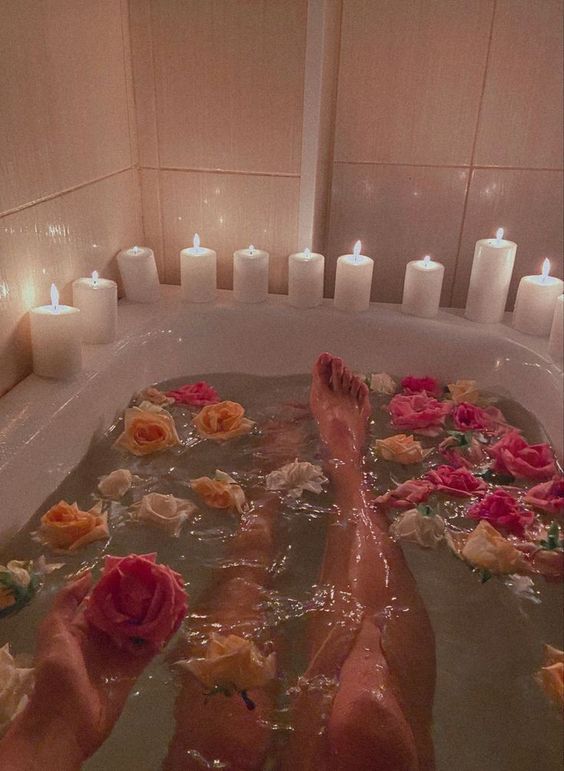
I believe that the concept of a “soft life” is indicative of a shift towards a more balanced and nurturing approach to living, particularly for women. This holistic outlook embraces the incorporation of self-care, mindfulness, and wellness practices into daily, weekly, and monthly routines. The modern woman is increasingly recognizing the importance of maintaining a harmonious blend of work, personal time, and wellness activities in her lifestyle. By embracing this ethos in moderation, individuals can reap the benefits of both productivity and relaxation, thereby enhancing their overall well-being.
Moreover, acknowledging that different seasons or phases of life may warrant varying approaches is crucial. For instance, during busy or demanding periods, a more structured and focused lifestyle may be necessary to meet goals and obligations. Conversely, during times of rest or reflection, a softer and more nurturing lifestyle may be more fitting. Hence, the concept of the “soft life” does not negate the value of a vibrant and active lifestyle, but rather complements it by offering a perspective that encourages adaptability and self-care as integral components of a balanced life.
I will definitely indulge in soft girl activities in my day to day and weekly life.
 CHOSENN MAGAZINE