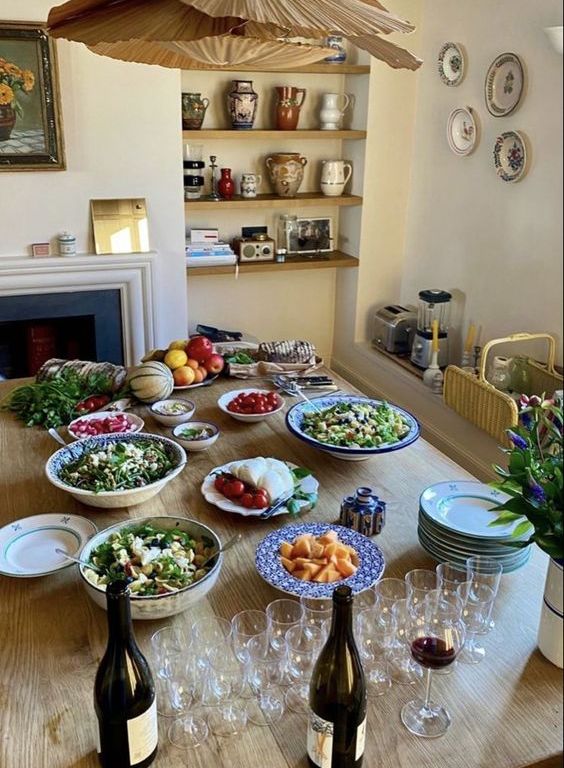
Welcome back Readers,
I was first made aware of the Mediterranean diet after I listened to a podcast which mentioned it, and after I researched it, I thought that I would share my findings. The Mediterranean diet is not just a diet; it’s a way of living.
First things first….
What is a Mediterranean diet ?
The diet I previously mentioned is commonly known as the Mediterranean diet, which has been associated with various health benefits. It emphasizes the consumption of plant-based foods such as legumes, whole grains, seasoned fruits, and vegetables, while also allowing for moderate consumption of red wine, largely sourced from countries like Spain, Italy, and Greece. It’s worth noting that this dietary pattern isn’t exclusively plant-based; it also encompasses the inclusion of some fish and a modest range of dairy products.
The Mediterranean diet is renowned for its potential in reducing the risk of certain chronic diseases and promoting overall well-being. Embracing this approach to eating not only offers a wide array of flavourful and nutrient-rich options but also reflects a lifestyle deeply rooted in the cultural heritage of the Mediterranean region.
How can I adapt to this diet ?
The Mediterranean diet has gained widespread popularity due to its flexible and sustainable approach to eating. Unlike many other diets, it doesn’t impose strict rules or rigid meal plans. Instead, it emphasizes the importance of making informed decisions when it comes to selecting, eating, and preparing food. This approach allows for a greater degree of personalization and adaptability, making it more accessible to a wider range of individuals.
One of the key principles of the Mediterranean diet is the transition from processed foods to whole foods. By prioritizing ingredients such as fruits, vegetables, whole grains, nuts, and legumes, individuals can benefit from a diet that is not only nutritious but also delicious. This shift in focus towards natural and unprocessed foods aligns with the traditional eating patterns of Mediterranean countries, where fresh, seasonal ingredients are celebrated and form the foundation of many iconic dishes.
Overall, the Mediterranean diet offers a holistic way of approaching food and nutrition, promoting a balanced and varied eating style that can be sustained in the long term. Its emphasis on quality ingredients and mindful eating resonates with the growing movement towards a more conscious and health-oriented approach to food.
What foods are in and out of a Mediterranean diet?
Ins:
Olive oil
Poultry (fish)
Wholegrain (wheat, rice, oats and pasta)
Greek yoghurt
Eggs
Starch vegetables (sweet potatoes and sweetcorn)
Fruits (avocado, tomatoes and berries)
Water
Herbal tea and occasional red wine.
Only a selection of foods have been mentioned in this list please do your own further research.
Outs:
Biscuits (cakes, pastries)
Red meats
Fizzy/sugary drinks
Processed meats (red meat, burgers and bacon)
White refined foods (bread, rice and pasta)
High fats (cheese, milk, butter and margarine).
Only a selection of foods has been mentioned in this list please do your own further research.
After reading this article will you partake in the Mediterranean diet in 2024?
 CHOSENN MAGAZINE